WJS Uitgevers


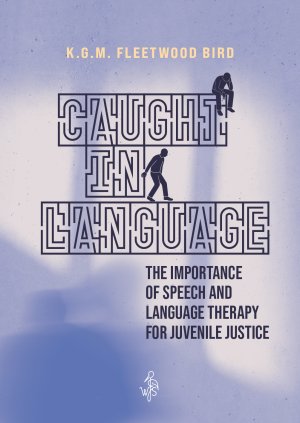
Caught in Language
Description
What happens when young people with speech, language, and communication needs come into contact with the criminal justice system? This study shows that, precisely in this crucial context, language often forms an invisible barrier – with con-sequences for young people’s ability to be understood, to understand their rights, and to participate effectively. Criminal proceedings are strongly verbally oriented and demand a level of language proficiency that many young people do not possess. This research therefore highlights the importance of comprehensible language in youth criminal proceedings and approaches this issue, among other things, from a children’s rights perspective. Research in the Netherlands and elsewhere shows that many young suspects struggle with severe, often undiagnosed language problems. While navigating the criminal justice process, they insufficiently understand their rights, have difficulty telling their story, and therefore run an additional risk of misun-derstand...
What happens when young people with speech, language, and communication needs come into contact with the criminal justice system? This study shows that, precisely in this crucial context, language often forms an invisible barrier – with con-sequences for young people’s ability to be understood, to understand their rights, and to participate effectively. Criminal proceedings are strongly verbally oriented and demand a level of language proficiency that many young people do not possess. This research therefore highlights the importance of comprehensible language in youth criminal proceedings and approaches this issue, among other things, from a children’s rights perspective. Research in the Netherlands and elsewhere shows that many young suspects struggle with severe, often undiagnosed language problems. While navigating the criminal justice process, they insufficiently understand their rights, have difficulty telling their story, and therefore run an additional risk of misun-derstandings and wrong decisions – undermining the right to a fair trial. Yet the cur-rent system lacks sufficient structural attention to this vulnerability. In this pioneering work, situated at the intersection of speech and language therapy and youth criminal law, it becomes clear how language problems constitute an ‘invisible disability’ in criminal proceedings. The author combines legal analysis, empirical research, and speech and language therapy expertise to show where things go wrong – and how they can be improved. With concrete recommendations for professionals working within criminal law – such as lawyers, interrogators, judges, and policymakers – this book offers a powerful case for the development of forensic speech and language therapy in the Netherlands. It challenges them to broaden their perspective, to rec-ognise language problems, and to make procedures genuinely more child-friendly. Where language forms an obstacle to participation, recognising language problems can be the key to a fairer, more child-friendly process. This book convincingly shows why this change is urgently needed and how it lies within reach.
Specifications
Caught in Language